


Surveys of Invertebrate Prey of Waders in Estuaries Surveys of Invertebrate Prey of Waders in Estuaries
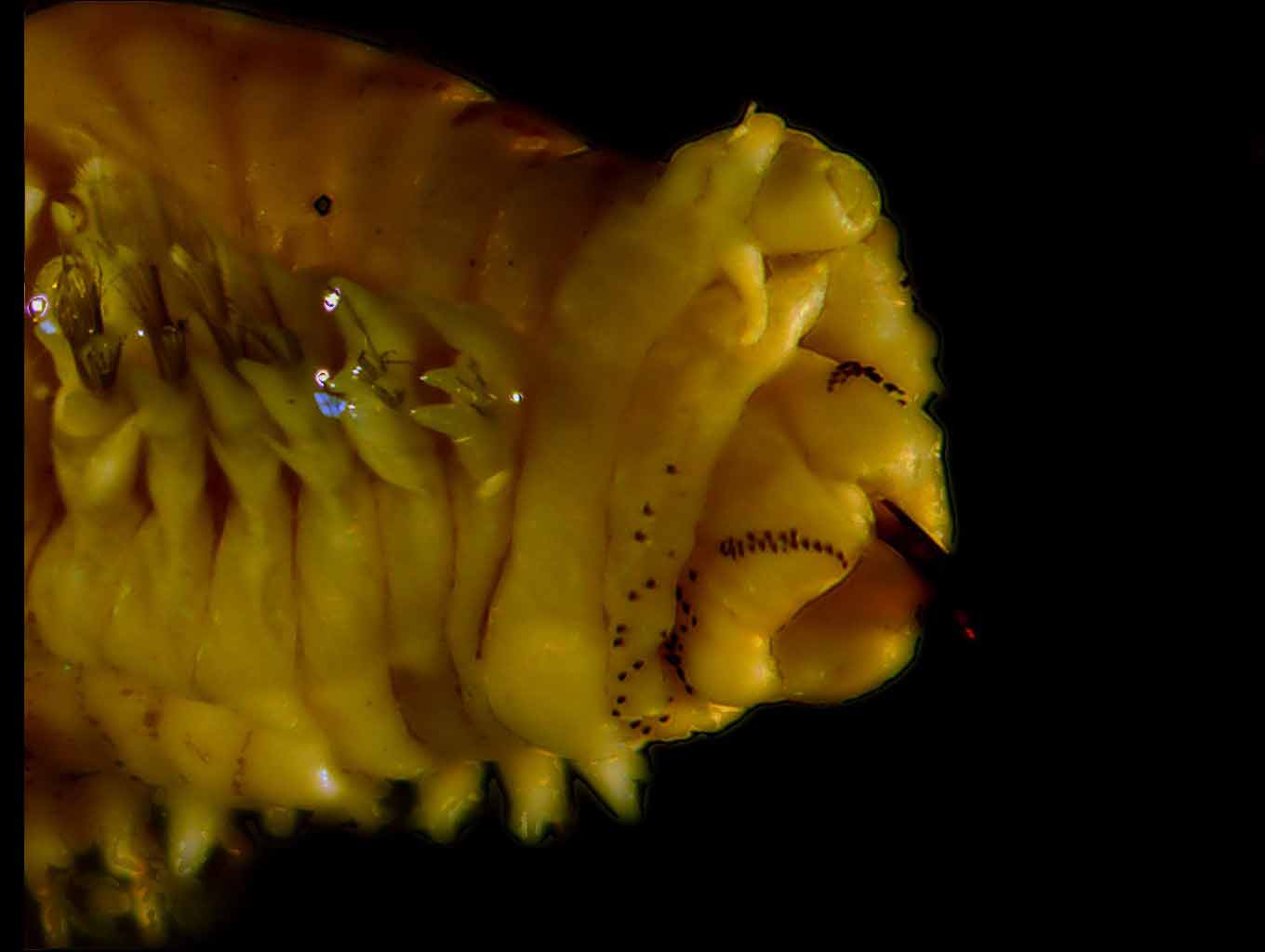
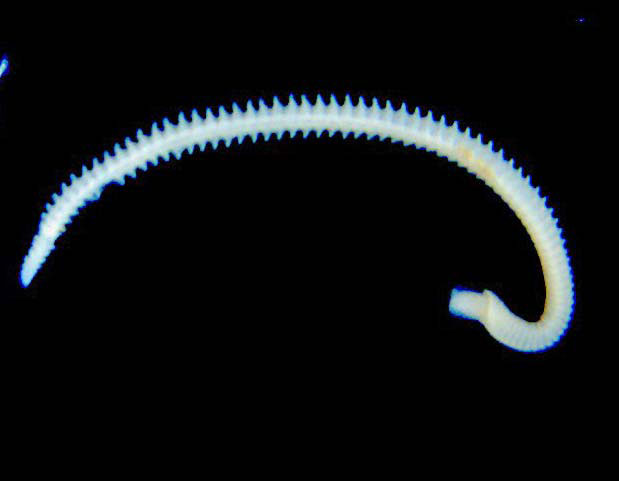
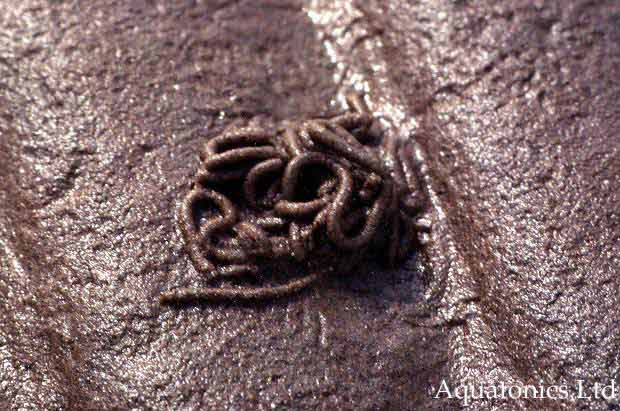
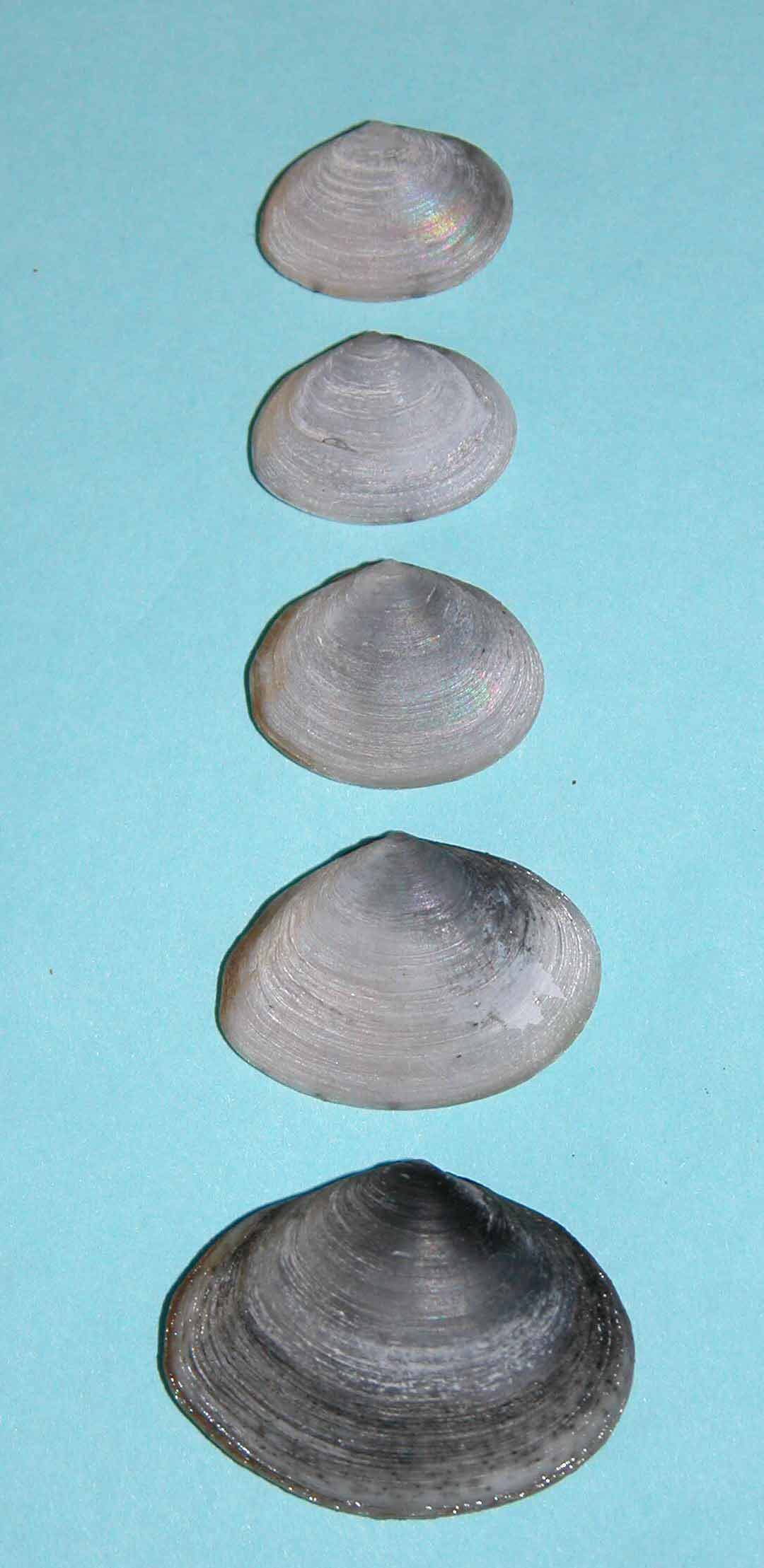
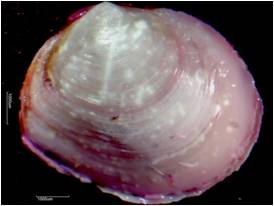
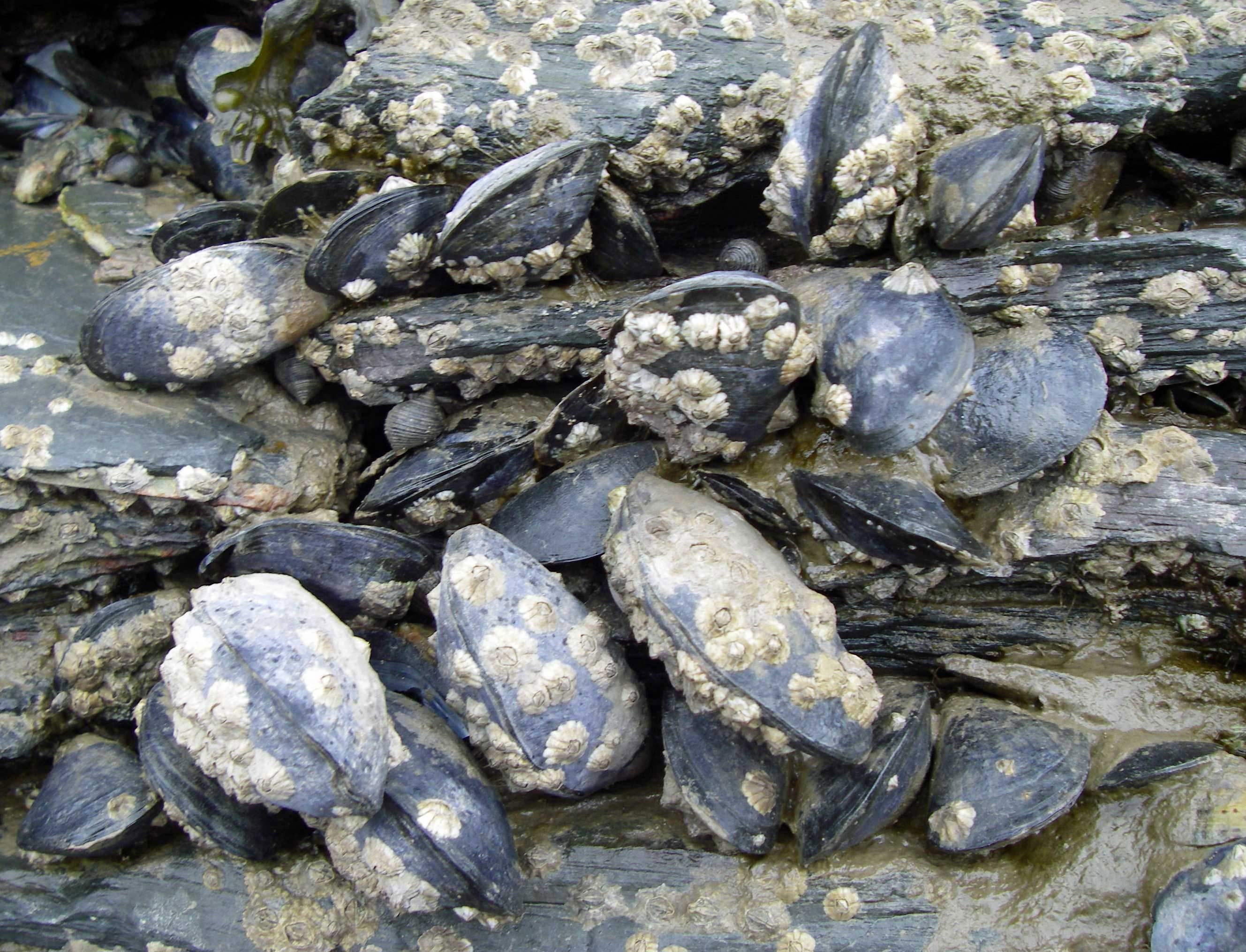
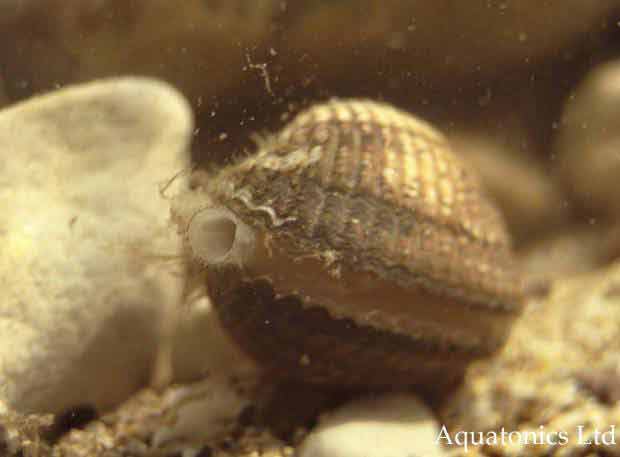
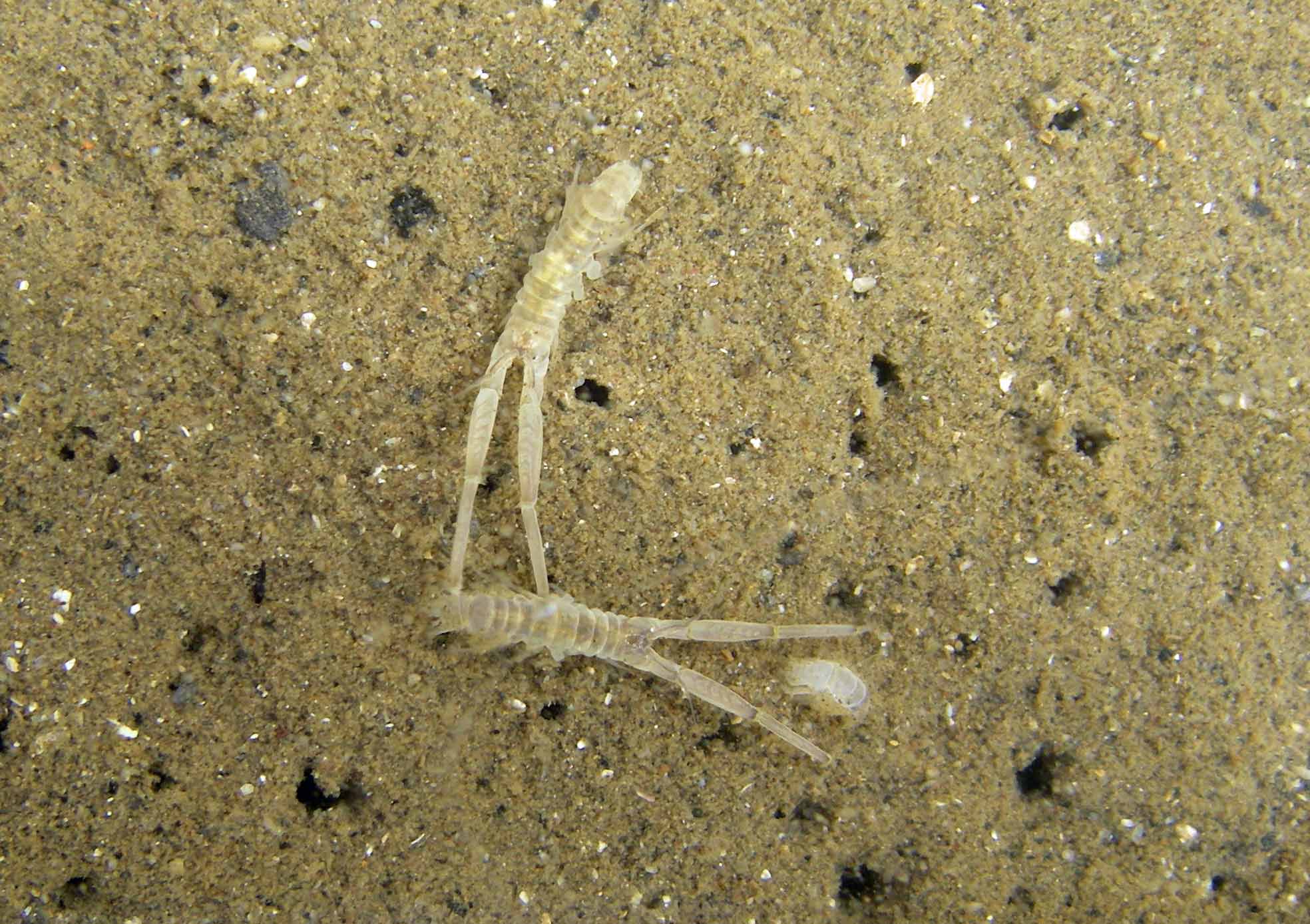
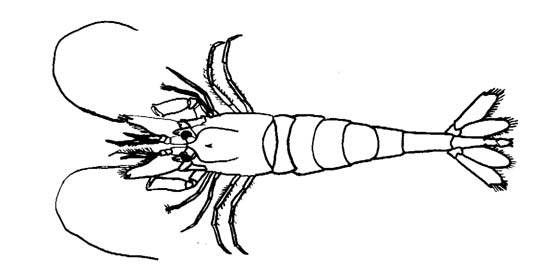
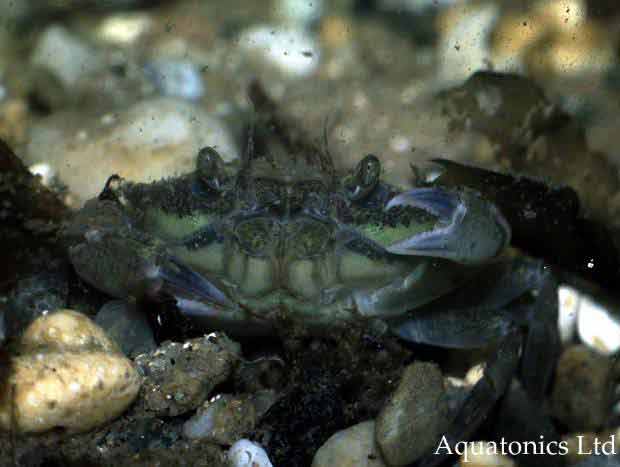
We have experience in surveying all common wader prey in UK estuaries. These include:Ragworm (Hediste diversicolor or Nereis diversicolor) Catworm (e.g. Nephtys cirrosa or N. hombergii) Lugworm (Arenicola marina) Tubificid oligochaete worms (e.g. Tubificoides pseudogaster or Tubificoides benedii) Mudsnail (Hydrobia ulvae) Peppery furrow shell (Scrobicularia plana) Baltic tellin (Macoma balthica) Tellina tenuis Mussels (Mytilus edulis) Cockles (Cerastoderma edule) Corophium volutator (an amphipod crustacean) Brown shrimp (Crangon crangon) Shore crab (Carcinus maenas) Wader Prey Survey Methods
Aquatonics Ltd can advise on the most appropriate survey methods for wader prey. Issue to be ocnsidered include:
Whether sampling is required down to low water spring tide level at all sites Number of replicate samples required, or whether to spread sampling effort more widely How often to repeat the survey, for example are data required prior to and after the overwintering period? Whether to measure biomass and if so whether to measure wet, dry or AFDW Tidal Height and Wader Prey
Tidal height is an important factor determining benthic communities, but natural selection has ensured that peak densities and biomass occur at different heights on the shore for different species. For some important bird prey such as ragworm and mudsnails (Hydrobia ulvae) densities and biomass are usually highest on the upper to upper mid shore. Densities of juveniles of many species are often highest on the upper shore, which may act as a nursery area for species such as Baltic tellin (Macoma balthica) and cockles (Cerastoderma edule). Information on the distribution of individual species is contained in some standard textbooks, for example “A Student’s Guide to the Seashore” (Fish and Fish, 1989) and “Intertidal Ecology” (Raffaelli & Hawkins, 1996). Some research papers have diagrams of occurrence down the shore, for example in Morecambe Bay (Anderson, 1972) and in the Towy estuary (Howells, 1964). These confirm the view that at any site each species has its own unique distribution down the shore, and that for some species the distribution of adults and juveniles down the shore may be different. There will also be differences between shores, mainly due to the distribution of different particle size sediments substrates and also due to differences in water-retention, redox discontinuity, salinity etc.
Very few key wader prey have peak densities at or below Mean Tidal Level. The most obvious examples are catworm (Nephtys hombergii) and the bivalve Tellina tenuis. Most other species have maximum densities (and biomass) either over a very wide range of tidal heights (eg cockles, Cerastoderma edule) or in the mid to upper shore (eg Hydrobia ulvae, Macoma balthica, Arenicola marina, Nereis diversicolor and Corophium volutator).
REFERENCES
Anderson, SS (1972). The ecology of Morecambe Bay. II. Intertidal invertebrates and factors affecting their distribution. Journal of Applied Ecology Vol 9, 161-178.
Fish JD and Fish S (1989). A Student’s Guide to the Seashore. Unwin Hyman. London.
Howells, WR (1964). The macrofauna of the intertidal soils of the Towy estuary, Carmarthenshire. The Annals and Magazine of Natural History, Vol 13, 577-607.
Raffaelli, D and Hawkins, SJ (1996). Intertidal Ecology. Chapman & Hall. London.
Estuaries, Harbours and Lagoons
Aquatonics Ltd have surveyed most of the major estuaries in England, including the Humber, Thames, Southampton Water and Severn estuary. In addition we have surveyed a wide range of smaller estuaries, ports, harbours and some lagoons. The full list is below:
Axe estuary
Beauly Firth
Bembridge
Blackpool beach
Burry Port
Chesil Beach
Clacton beach
Clyde estuary
Dart estuary (Dartmouth, Kingswear, Old Mill Creek, Noss on Dart)
Exe estuary
Fal estuary
Folkestone Harbour
Great Ouse estuary
Hayle estuary (Harbour, Penpol, Lelant Water, Carnsew & Copperhouse Pool)
Helford
Humber estuary
Kingsbridge estuary
Lulworth Cove
Medina estuary
Medway
Moray Firth
Orwell estuary
Otter
Plym
Plymouth Harbour
Portland Harbour
Portsmouth Harbour
Taw-Torridge
Tees estuary
Thames estuary (Brentford/Kew, Battersea, Greenwich, Erith, Southend - Maplin)
The Fleet
Truro river estuary
Severn estuary
Southampton Water
Ventnor beach
Wash
West Bay beach
| Terms & Conditions | Copyright Aquatonics Ltd | Site Map |